Rental-Car Insurance Documents: What to Confirm Before Pickup
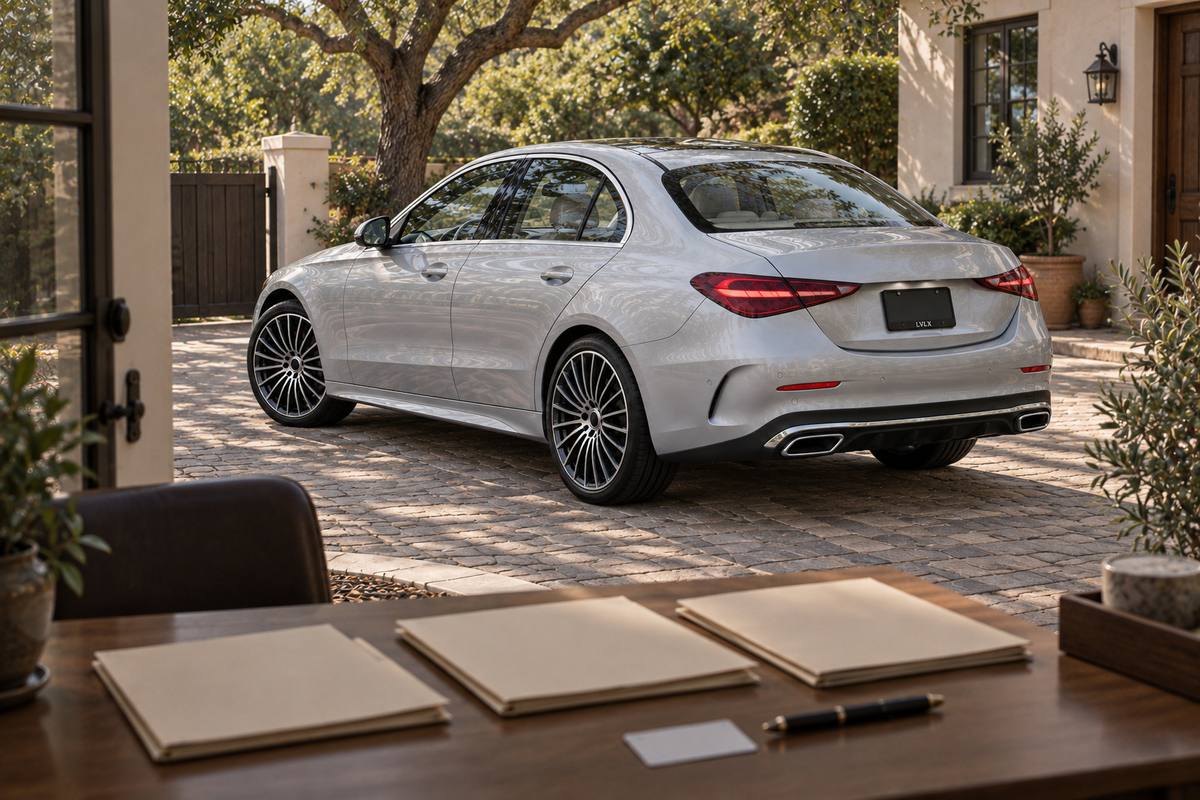
AI-generated editorial illustration. Confirm the exact vehicle, appearance and availability in your written quote.
An insurance card is a starting document, not a complete answer about a particular rental. Before pickup, ask your insurer or relevant benefit provider what applies to the named drivers, exact vehicle, rental dates, intended use and route. Separately ask LVLX what proof and coverage arrangements the booking requires. Resolve conflicting or incomplete answers before relying on the car. This is a document-planning guide, not an assessment of your policy.
Keep three different questions separate
The California Department of Insurance distinguishes liability for harm to others from physical-damage coverage for a vehicle. It also describes rental reimbursement: paying for a replacement rental while an insured car is being repaired after a covered event. That last concept does not, by its name alone, answer what protects the vehicle you are renting. The department's automobile insurance guide explains these categories; it does not confirm your LVLX booking.
Use separate lines in your notes for responsibility to others, damage or loss involving the rental vehicle, and payment for the rental itself. Ask which document answers each question. Do not treat the word “covered,” a payment receipt or a card-benefit logo as a substitute for the applicable terms.
Describe the rental before asking for an answer
Give the provider the vehicle's exact identity when it is known, the start and end dates, each intended driver, the route and whether the trip includes work or a production activity. If the car is not yet assigned, explain that limitation and ask what must be rechecked once it is. A general answer about renting a car may leave an important vehicle or use restriction unresolved.
- Does the protection apply to this rental duration and every named driver?
- Which losses, locations or uses are excluded?
- What limits, deductible or other customer responsibility apply?
- What payment or booking conditions must be met?
- What proof should be carried, and what is the reporting process if something happens?
These are questions, not statements that a particular protection exists. If you are considering a credit-card benefit, ask its provider for the current benefit terms and rental-specific answer. Do not assume paying with that card resolves liability or satisfies LVLX's requirements.
Reconcile the provider's answer with the rental agreement
Ask LVLX to identify the booking's coverage requirements, any offered arrangements, charges and required evidence. Compare the names, dates, vehicle and intended use across the written records. If one record leaves a driver out, uses a different return date or describes a different car, request a correction from the responsible party. A blog cannot reconcile those discrepancies or approve the rental.
Keep the deposit separate. It is not a substitute for understanding coverage, and its amount does not by itself state the full financial responsibility for a loss. Use the payment and deposit questions alongside this review. Foreign-licence holders should also complete the separate driving-document checks; permission to drive and insurance applicability are different issues.
Share evidence safely and keep the final version
Begin an inquiry with descriptive information. Do not put policy numbers, identity-document images or payment credentials into an ordinary message until the recipient identifies a secure collection method. Keep the completed agreement, current provider response and claims contact where the approved drivers can access them without exposing sensitive data to others.
Ask LVLX for the booking-specific document requirements. If a coverage question remains unclear, take the actual policy or benefit wording to the insurer, licensed agent or benefit administrator. A missing answer is a reason to resolve the paperwork, not a reason to infer approval from a published starting rate.